E-Commerce & Online Shopping

A Business Model Inspired by Amazon and eBay: The Vision Behind Splice Mart

Have you ever wondered how one online shopping platform can bring together thousands of sellers, millions of products, and customers with different shopping needs?

The modern e-commerce industry has transformed the way people buy and sell products. Businesses no longer need to depend entirely on physical stores or independent websites to reach customers. Online marketplaces have created new opportunities by connecting buyers and sellers through shared digital platforms.

Companies such as Amazon and eBay have demonstrated how marketplace-based business models can operate at scale, bringing together product discovery, independent sellers, and convenient online shopping experiences.

Inspired by the broader concept of multi-vendor e-commerce, Splice Mart – America’s Marketplace for Everyone aims to create a shopping destination where individuals, entrepreneurs, small businesses, and professional sellers can explore opportunities to connect with customers.

Let’s understand how this business model works and what makes it an important part of modern e-commerce.

1. Understanding the Marketplace Business Model

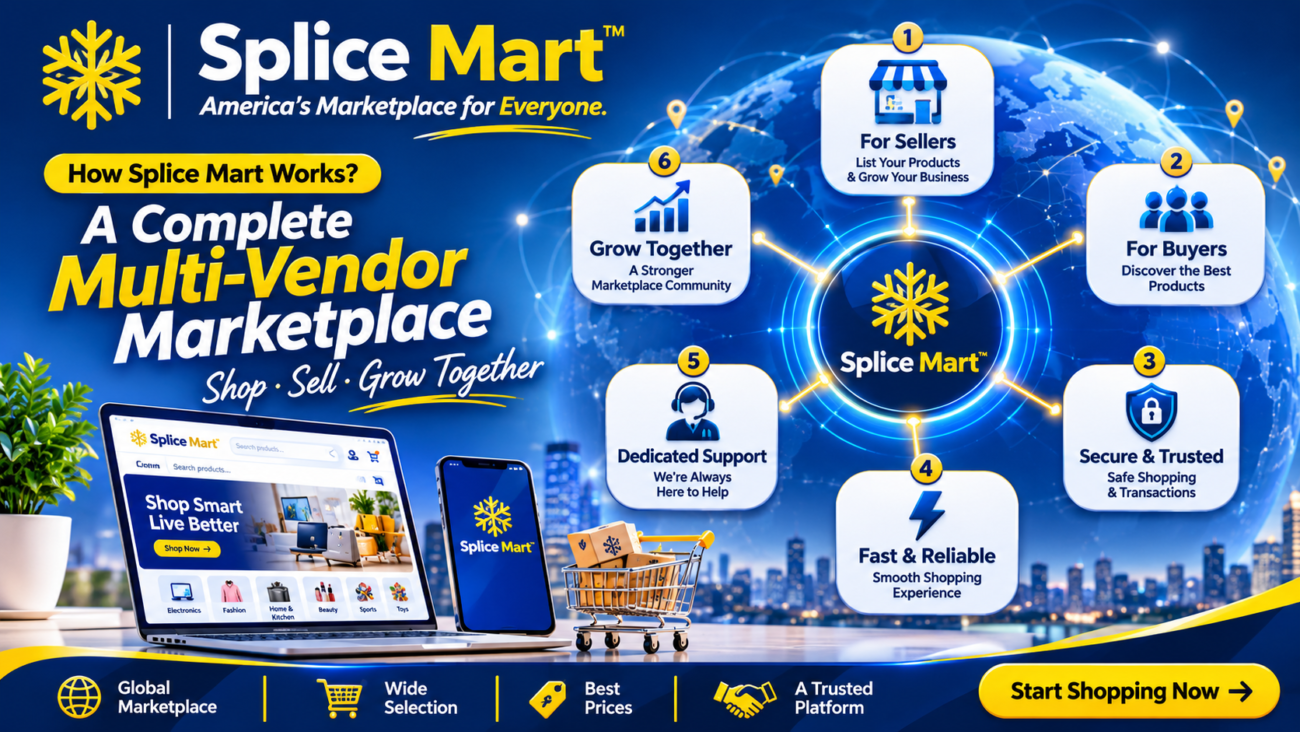
A marketplace business model is an approach in which a platform connects buyers and sellers through one digital environment.

Instead of selling only products owned by the platform operator, a marketplace can allow independent sellers and businesses to create product listings and offer their products to customers.

The marketplace operator provides the digital infrastructure and establishes the rules that guide participation.

The model generally involves three main participants:

Marketplace Operator: Manages the platform, marketplace policies, technical infrastructure, and overall shopping environment.

Sellers: Introduce products, manage listings, provide product information, and fulfill orders according to marketplace arrangements.

Customers: Browse products, compare available options, and purchase items that match their requirements.

The marketplace creates value by helping these participants interact through one connected online platform.

2. What Can We Learn from Amazon and eBay?

Amazon and eBay are two well-known names in the global e-commerce industry, but their marketplace models have different characteristics.

Amazon combines direct retail operations with a third-party marketplace, allowing independent sellers to offer products alongside Amazon’s own retail selection.

eBay is widely known for its marketplace model, connecting individual and professional sellers with buyers through product listings and different selling formats.

Both platforms demonstrate important ideas that have influenced modern online commerce.

Product Variety: Bringing different products and categories together can create more shopping choices.

Seller Participation: Independent sellers can use a shared platform to reach potential customers.

Customer Convenience: Online product discovery and purchasing can be organized within one digital environment.

Marketplace Technology: Search, product listings, account management, and transaction systems support the shopping process.

Trust and Transparency: Clear policies, accurate listings, and customer support are essential to building confidence.

These are broad marketplace principles rather than a claim that every platform operates in exactly the same way.

3. One Platform, Multiple Sellers

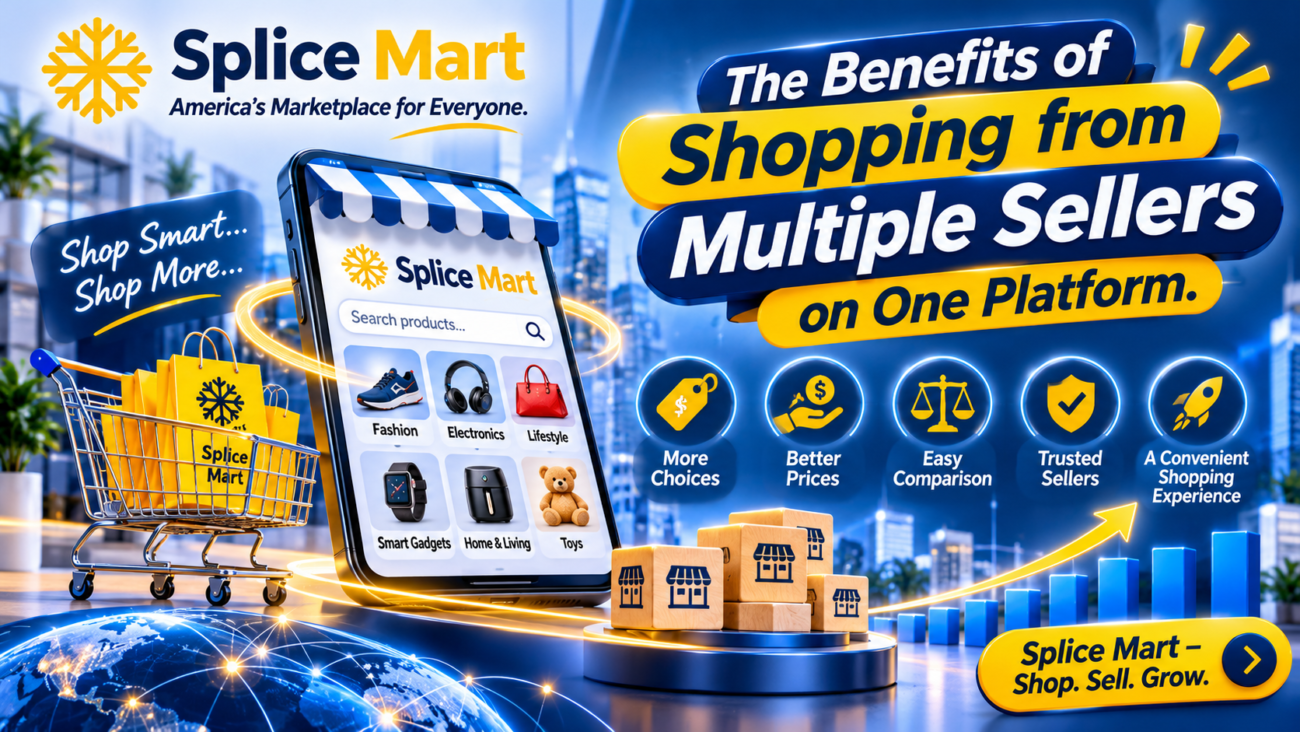
One of the most important features of a multi-vendor business model is the ability to bring different sellers together.

Imagine a customer searching for home accessories. Instead of visiting several independent online stores, the customer can explore available products from different participating sellers through one marketplace.

Similarly, someone looking for electronics, fashion accessories, kitchen essentials, or pet supplies can explore multiple categories in one shopping destination.

This approach creates opportunities for:

  • Independent sellers with unique products.

  • Entrepreneurs introducing new collections.

  • Small businesses expanding their online presence.

  • Professional retailers exploring additional sales channels.

  • Customers searching for different products and price options.

The objective is to create a diverse shopping environment where different sellers can participate while customers enjoy more opportunities for product discovery.

4. How Does the Marketplace Generate Business Value?

A marketplace business can generate revenue through different models, depending on its policies and commercial structure.

Common marketplace revenue streams include:

Seller Commissions: The platform may receive a percentage of completed transactions.

Subscription Plans: Sellers may pay recurring fees for access to certain marketplace services.

Listing Fees: Some marketplaces charge sellers for creating or maintaining specific product listings.

Promotional Services: Sellers may pay for advertising or additional product visibility.

Value-Added Services: Additional services may include seller tools, analytics, or business support.

Not every marketplace uses all these revenue streams. The appropriate model depends on the platform’s strategy, operating costs, seller needs, and customer expectations.

A sustainable marketplace needs to balance its commercial objectives with the value it provides to both buyers and sellers.

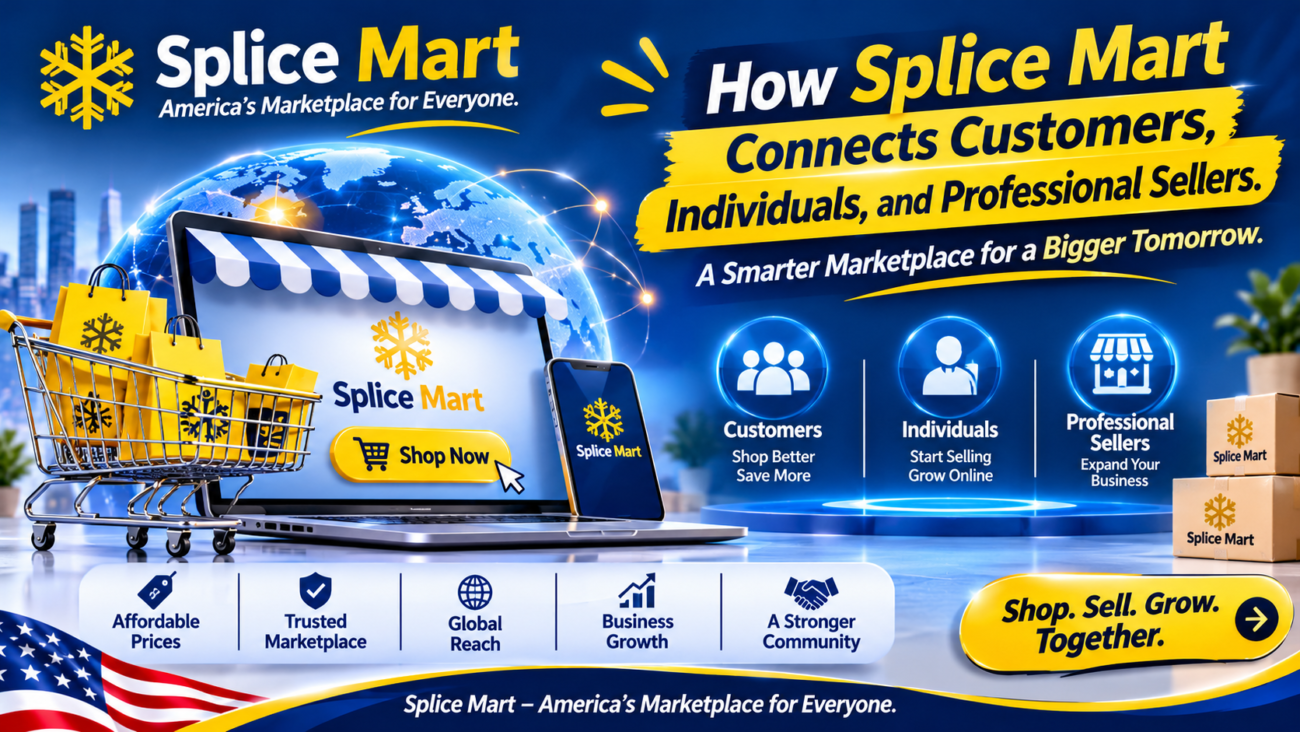
5. Creating Opportunities for Individuals and Businesses

One of the most interesting aspects of the marketplace model is its flexibility.

It can bring together participants with very different business backgrounds.

An individual may want to sell handmade products. An entrepreneur may be introducing a new product idea. A small business may want to expand its digital presence, while a professional retailer may be exploring additional sales channels.

A shared marketplace can provide a common environment for these different participants.

Potential opportunities include:

  • Presenting products to online shoppers.

  • Exploring different customer segments.

  • Developing a digital selling presence.

  • Introducing additional product collections.

  • Building relationships with potential customers.

  • Exploring new business opportunities.

However, successful selling still requires product quality, competitive pricing, accurate information, customer service, and effective order fulfillment.

6. Technology: The Foundation of a Modern Marketplace

Behind every convenient online marketplace is a collection of technology systems working together.

These systems help manage sellers, products, customers, and transactions.

Important marketplace technologies include:

Vendor Management: Seller registration, account management, and product listing tools.

Product Management: Systems for organizing categories, descriptions, images, and inventory.

Search and Discovery: Search tools and filters that help customers find relevant products.

Payment Integration: Secure payment processing through supported payment providers.

Order Management: Tools for tracking orders and coordinating fulfillment.

Mobile-Friendly Shopping: Responsive experiences across smartphones, tablets, and computers.

Analytics: Reports that help marketplace operators and sellers understand business performance.

When these features are designed effectively, they can make the shopping and selling process more organized and convenient.

7. Why Customer Trust Matters

A marketplace brings together products from different sellers, which makes trust an essential part of the business model.

Customers need confidence that product descriptions are accurate, sellers provide reliable service, and purchase conditions are clearly explained.

A professional marketplace should prioritize:

  • Accurate product descriptions and images.

  • Transparent prices and additional charges.

  • Clear seller information.

  • Reliable order processing.

  • Understandable shipping and return policies.

  • Accessible customer support.

  • Appropriate protection of customer information.

Trust is not created through marketing alone. It develops through consistent service, transparent communication, and responsible marketplace management.

8. What Makes Splice Mart's Marketplace Vision Different?

Splice Mart – America’s Marketplace for Everyone is built around the broader concept of connecting different sellers and customers through one online shopping destination.

Our vision focuses on creating an inclusive environment where individuals, entrepreneurs, small businesses, and professional sellers can explore marketplace opportunities.

We want to bring together several important shopping values:

More Choices: Different sellers and product categories can create opportunities for customers to explore a wider range of products.

Seller Opportunities: Individuals and businesses can explore online selling through a shared marketplace environment.

Shopping Convenience: Customers can discover different products without relying exclusively on separate shopping websites.

Affordable Shopping: Customers can compare available options and make purchasing decisions according to their budgets.

A Connected Community: Buyers and sellers become part of a shared digital commerce environment.

Our goal is to develop a marketplace experience centered on accessibility, product discovery, and convenience.

9. Challenges of Building a Successful Marketplace

Although the marketplace model offers exciting opportunities, creating a successful platform requires careful planning and continuous improvement.

Some important challenges include:

Seller Acquisition: Attracting reliable sellers with suitable products.

Product Quality: Maintaining appropriate product standards across different vendors.

Customer Satisfaction: Addressing questions, complaints, and order-related issues.

Marketplace Competition: Creating a clear value proposition in a competitive e-commerce industry.

Technology Management: Maintaining reliable platform performance and security.

Order Fulfillment: Establishing clear arrangements for shipping, delivery, returns, and refunds.

A marketplace must continuously improve its operations to create a dependable experience for everyone involved.

10. The Future of Marketplace-Based E-Commerce

Online marketplaces continue to influence the future of retail and digital business.

As technology develops, marketplaces may introduce more personalized shopping experiences, intelligent product recommendations, improved seller tools, and more efficient order management systems.

Artificial intelligence can help improve product discovery and customer experiences. Better analytics can support business decisions, while mobile technology can make shopping more accessible.

However, the future of marketplaces will not depend on technology alone.

Successful platforms will also need to understand customers, support sellers, maintain trust, and deliver consistent service.

The combination of technology, seller participation, and customer-focused operations can help create stronger digital marketplaces.

Final Thoughts: Inspired by a Bigger Marketplace Vision

Amazon and eBay demonstrate how different marketplace approaches can transform online commerce by connecting sellers and buyers through digital platforms.

Their success also highlights the importance of product variety, technology, convenience, and customer trust.

At Splice Mart, we believe in the potential of this broader marketplace concept.

Our vision is to create a digital shopping destination where individuals, entrepreneurs, small businesses, professional sellers, and customers can come together.

We want to make online shopping more convenient while creating opportunities for different types of sellers to showcase their products.

Splice Mart – America’s Marketplace for Everyone.

One Marketplace. Multiple Sellers. Endless Possibilities.

Shop Smart. Sell Smart. Grow Together!

Leave a Reply

Your email address will not be published. Required fields are marked *